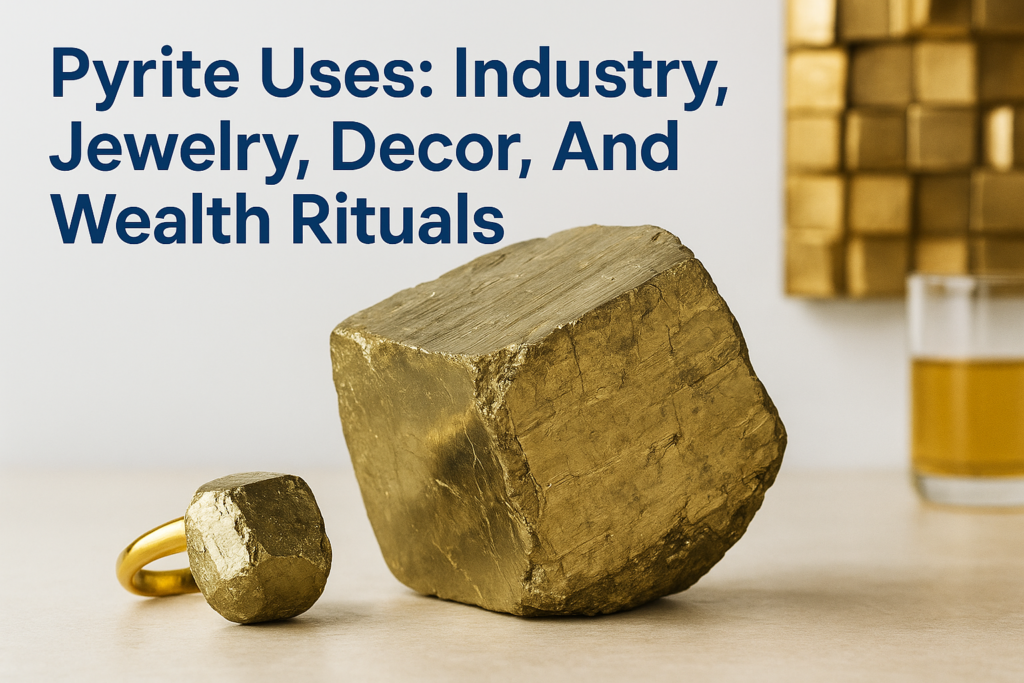
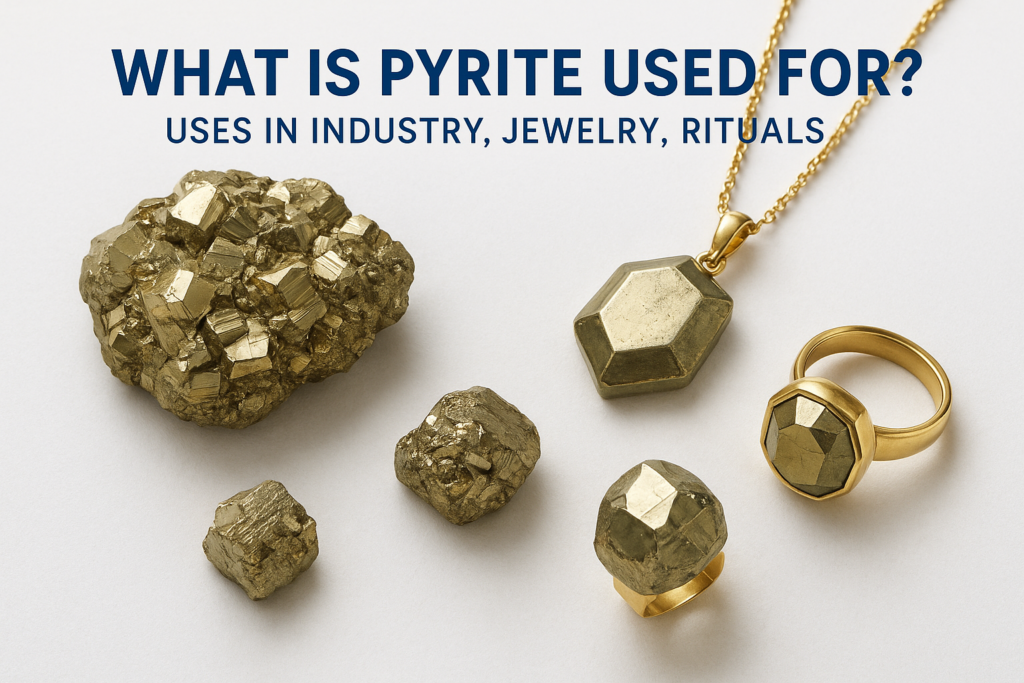
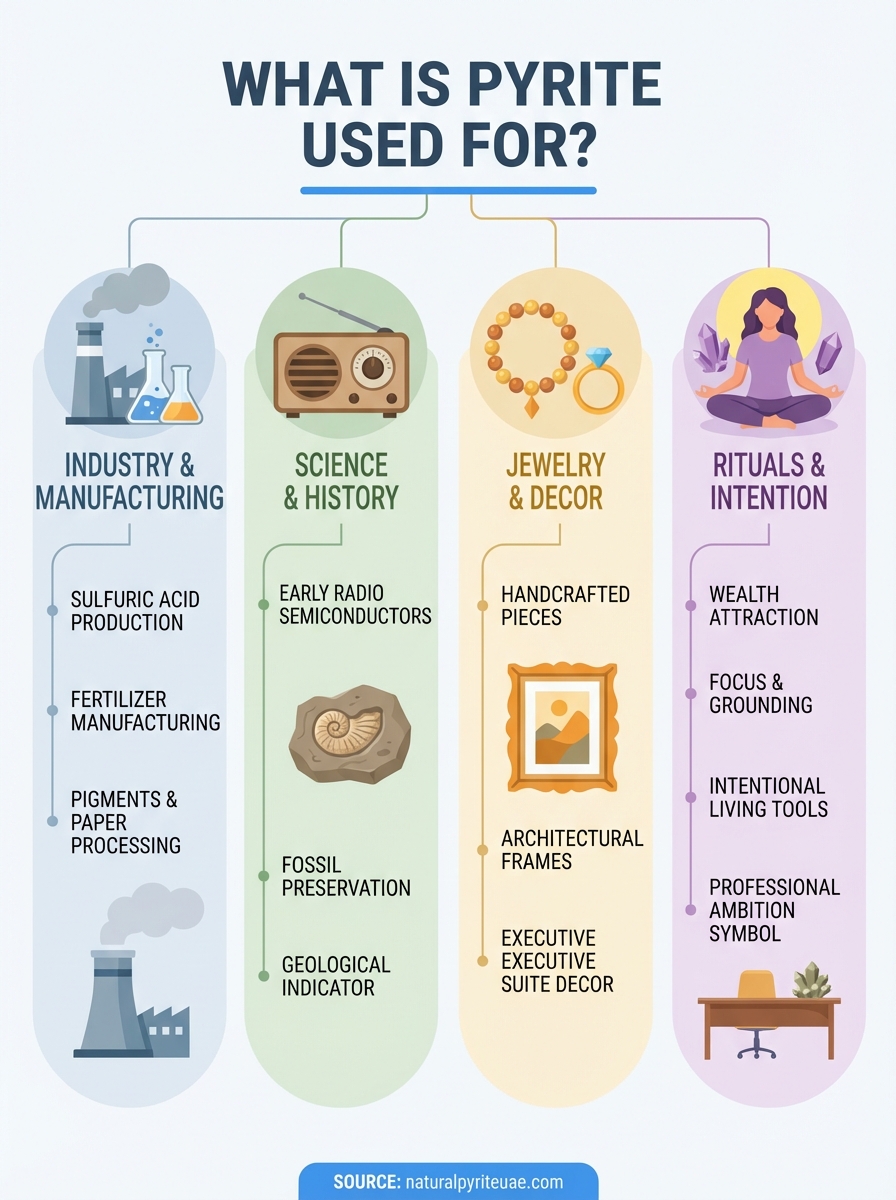
Pyrite has sparked human fascination for centuries, not just for its metallic luster, but for its remarkable range of applications. If you’re asking what is pyrite used for, the answer spans far more ground than most people expect. From sulfuric acid production in industrial plants to hand-polished jewelry worn by executives in Dubai, this iron sulfide mineral continues to serve purposes both practical and symbolic.
Historically, pyrite powered early radio receivers as a semiconductor material. Today, it remains relevant in chemical manufacturing, environmental science, and increasingly, in luxury decor and personal accessories. For those drawn to intentional living, pyrite also carries significance in wealth-attracting rituals and energy practices, a tradition that resonates strongly among ambitious professionals seeking tactile symbols of focus and success.
At Natural Pyrite UAE, we work exclusively with authentic, high-luster pyrite to create statement pieces designed for the Emirates market. Whether you’re considering pyrite for its aesthetic power in an executive suite or its deeper personal meaning, this guide covers the full spectrum. Below, you’ll find pyrite’s roles across industry, jewelry, and ritual, along with practical insights to help you choose pieces that align with your goals.
What pyrite is and why it matters
Pyrite is an iron sulfide mineral with the chemical formula FeS₂, recognizable by its metallic luster and pale brass-yellow appearance. You’ll find this mineral in sedimentary, metamorphic, and igneous rock formations across the globe, often forming cubic or pyritohedral crystals that catch light in ways few other natural materials can match. The name derives from the Greek word "pyr," meaning fire, because striking pyrite against steel produces sparks.
The mineral composition that drives its value
The iron and sulfur bonds within pyrite create a structure that serves multiple industries. When you examine authentic pyrite specimens, you’re looking at a mineral with a Mohs hardness of 6 to 6.5, making it durable enough for jewelry yet workable for artisans. The high iron content (approximately 46.6% by weight) makes it valuable in chemical processes, while the sulfur component (53.4% by weight) drives its use in sulfuric acid production. Understanding what is pyrite used for requires recognizing how this specific composition enables both industrial and aesthetic applications.
Pyrite’s chemical stability and metallic properties allow it to function as both a raw material and a finished product, depending on the context.
Why pyrite outlasts trends
Unlike many decorative materials that fade from favor, pyrite maintains relevance because it combines visual impact with practical durability. You won’t find the same depth of luster in synthetic alternatives, and the natural formation process creates unique geometric patterns that no two pieces replicate exactly. For professionals in the UAE seeking statement pieces for executive spaces, this uniqueness translates to decor that holds both attention and value. The mineral’s resistance to tarnishing when properly treated means your investment in pyrite jewelry or architectural frames remains visually consistent for years.
The difference between natural pyrite and fool’s gold
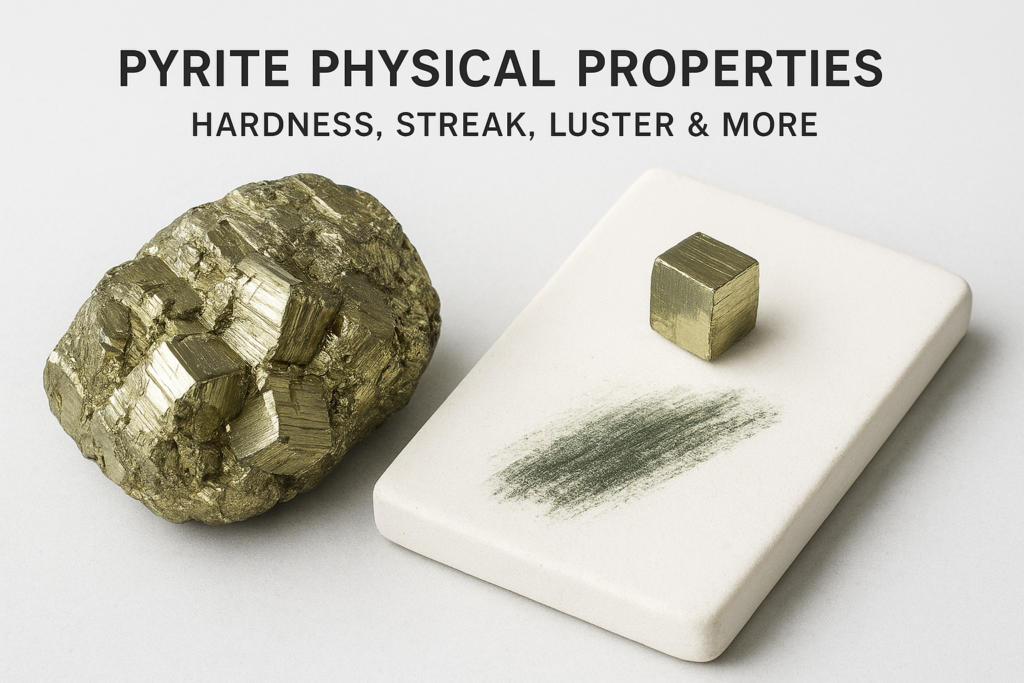
People often confuse pyrite with gold, hence the nickname "fool’s gold," but experienced collectors and jewelers distinguish them immediately. Pyrite forms sharp, angular crystals with a brassy tone, while gold appears more yellow and malleable. When you strike pyrite, it produces a greenish-black streak, whereas gold leaves a golden-yellow streak. Natural Pyrite UAE sources only authentic, high-luster specimens that showcase the mineral’s true dark gray to metallic brass character, avoiding the synthetic golden coatings some retailers apply to deceive buyers. For those investing in pyrite for either its industrial properties or its symbolic significance, verifying authenticity through reputable suppliers protects both your budget and your intentions.
What pyrite is used for in industry
Industrial applications answer a significant part of what is pyrite used for in modern manufacturing. The sulfur content within pyrite drives its primary commercial role, while its conductive properties have shaped specific technological developments. You’ll find pyrite operating behind the scenes in chemical plants, mining operations, and specialized manufacturing facilities across multiple continents, though its prominence has shifted as alternative sources emerged.
Sulfuric acid production
Chemical manufacturers have historically extracted sulfur from pyrite to produce sulfuric acid, one of the world’s most widely used industrial chemicals. When you roast pyrite in oxygen-rich environments, the sulfur oxidizes to create sulfur dioxide, which then converts to sulfuric acid through additional processing. This acid powers fertilizer production, metal processing, and petroleum refining, making it foundational to multiple supply chains. The process generates iron oxide as a byproduct, which manufacturers can sell to steel producers or pigment companies.
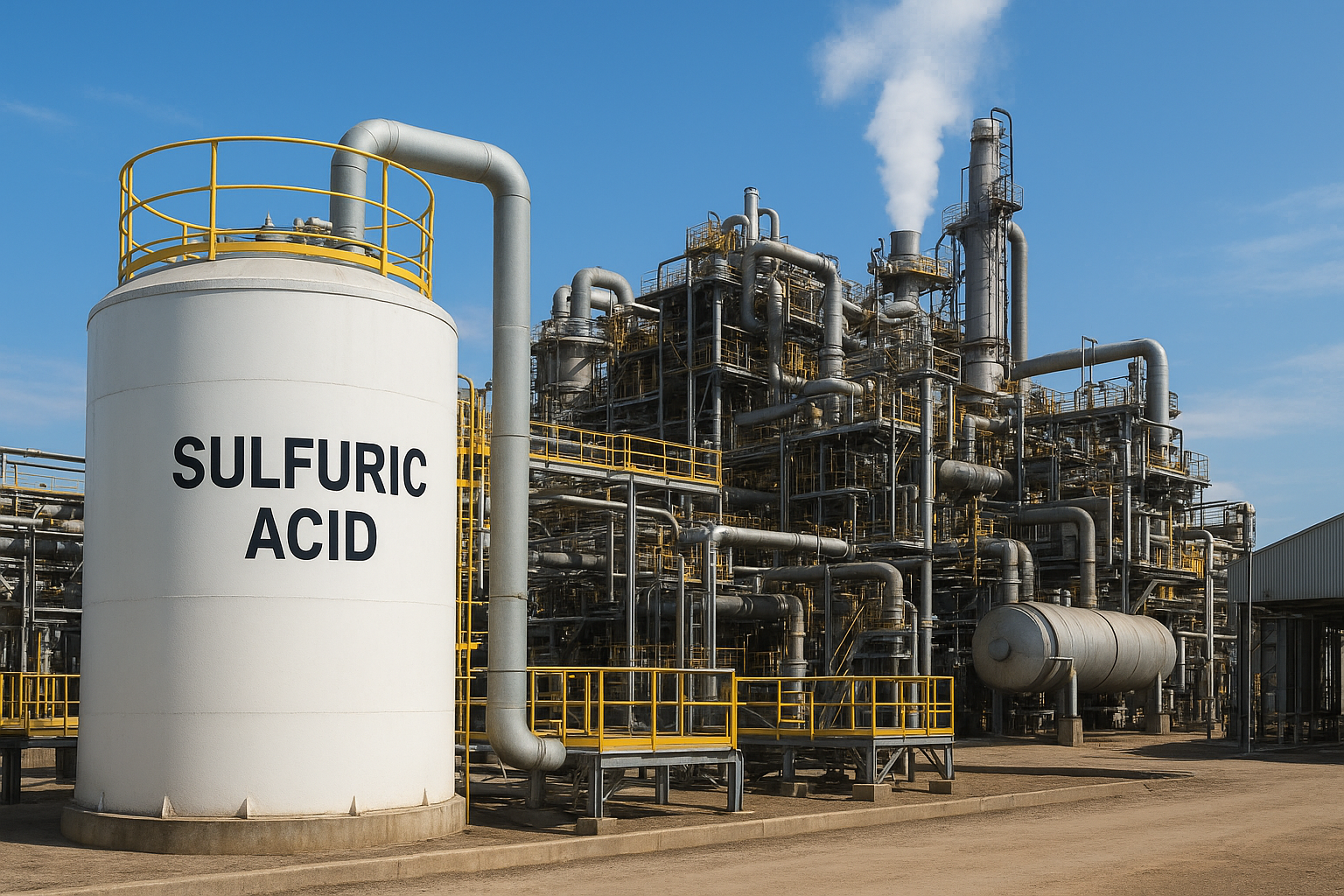
Sulfuric acid derived from pyrite supports approximately 60% of global fertilizer manufacturing, though modern facilities increasingly source sulfur from petroleum refining.
Manufacturing plants in regions with abundant pyrite deposits, particularly in Spain and China, continue this extraction process today. However, you should note that petroleum-derived sulfur now dominates the market because it offers lower production costs. Pyrite-based sulfuric acid production persists primarily where local geology favors direct mineral extraction or where environmental regulations encourage alternatives to petroleum dependence.
Paper manufacturing and pigments
Paper mills use iron sulfate, a pyrite derivative, to adjust pH levels during pulp processing. The mineral also creates iron oxide pigments for paints and coatings after manufacturers roast and process the raw material. These applications represent smaller-scale industrial uses but demonstrate pyrite’s versatility beyond its primary role as a sulfur source.
What pyrite is used for in science and history
Scientific and historical applications reveal another dimension of what is pyrite used for beyond industrial processing. Researchers have leveraged pyrite’s unique properties for semiconductor experiments, while paleontologists rely on the mineral’s role in fossil preservation to unlock Earth’s biological history. You’ll discover that pyrite shaped early electronics development and continues to serve as a crucial marker in geological research, making it more than just a decorative curiosity.
Early semiconductor technology
Before silicon transistors dominated electronics, experimenters used pyrite as a semiconductor material in crystal radio receivers during the early 1900s. You could build a simple radio detector by touching a fine wire, called a "cat’s whisker," to a pyrite crystal surface to create a point-contact rectifier. This setup allowed radio waves to convert into audible signals without requiring external power, a breakthrough that enabled wireless communication before vacuum tube technology matured. Engineers chose pyrite specifically because its natural crystal structure created the necessary electrical properties for signal detection.
Pyrite-based crystal radios demonstrated that naturally occurring minerals could perform complex electronic functions, paving the way for modern semiconductor research.
Radio hobbyists still build crystal detector sets today using pyrite specimens, though the practice has shifted from necessity to educational demonstration. These historical devices prove that your understanding of pyrite extends beyond its modern applications into foundational technological development.
Geological and paleontological research
Scientists studying sedimentary rock formations use pyrite as an indicator of ancient ocean conditions, particularly oxygen levels during deposition. When you examine fossilized remains, you often find pyrite replacement, where the mineral gradually substituted organic material to preserve fine structural details over millions of years. Paleontologists value these pyritized fossils because they capture anatomical features that would otherwise decompose, including soft tissue impressions that reveal how extinct organisms functioned. Geologists also analyze pyrite distribution patterns within rock layers to reconstruct historical environmental changes, making the mineral a time capsule of Earth’s atmospheric and oceanic evolution.
What pyrite is used for in jewelry and decor
Jewelry makers and interior designers transform pyrite into statement pieces that serve both aesthetic and symbolic purposes. When you examine what is pyrite used for in personal accessories and architectural spaces, you find a material that combines raw geological authenticity with refined craftsmanship. The mineral’s natural luster and geometric crystal formations create visual impact without requiring chemical treatments or synthetic enhancements, making it particularly valuable for professionals seeking pieces that reflect both ambition and authenticity.
Handcrafted jewelry pieces
Artisans craft pyrite bracelets, necklaces, and rings specifically for daily wear by executives and entrepreneurs who value tactile reminders of their goals. You’ll notice these pieces feature polished pyrite beads or raw crystal fragments set in metals like sterling silver or gold-plated brass, designs that complement both formal business attire and luxury casual wear. The Money Magnet Pyrite Bracelet, for example, uses high-luster pyrite stones selected for their metallic sheen and structural integrity, creating accessories that withstand the demands of active professionals without losing their visual character.
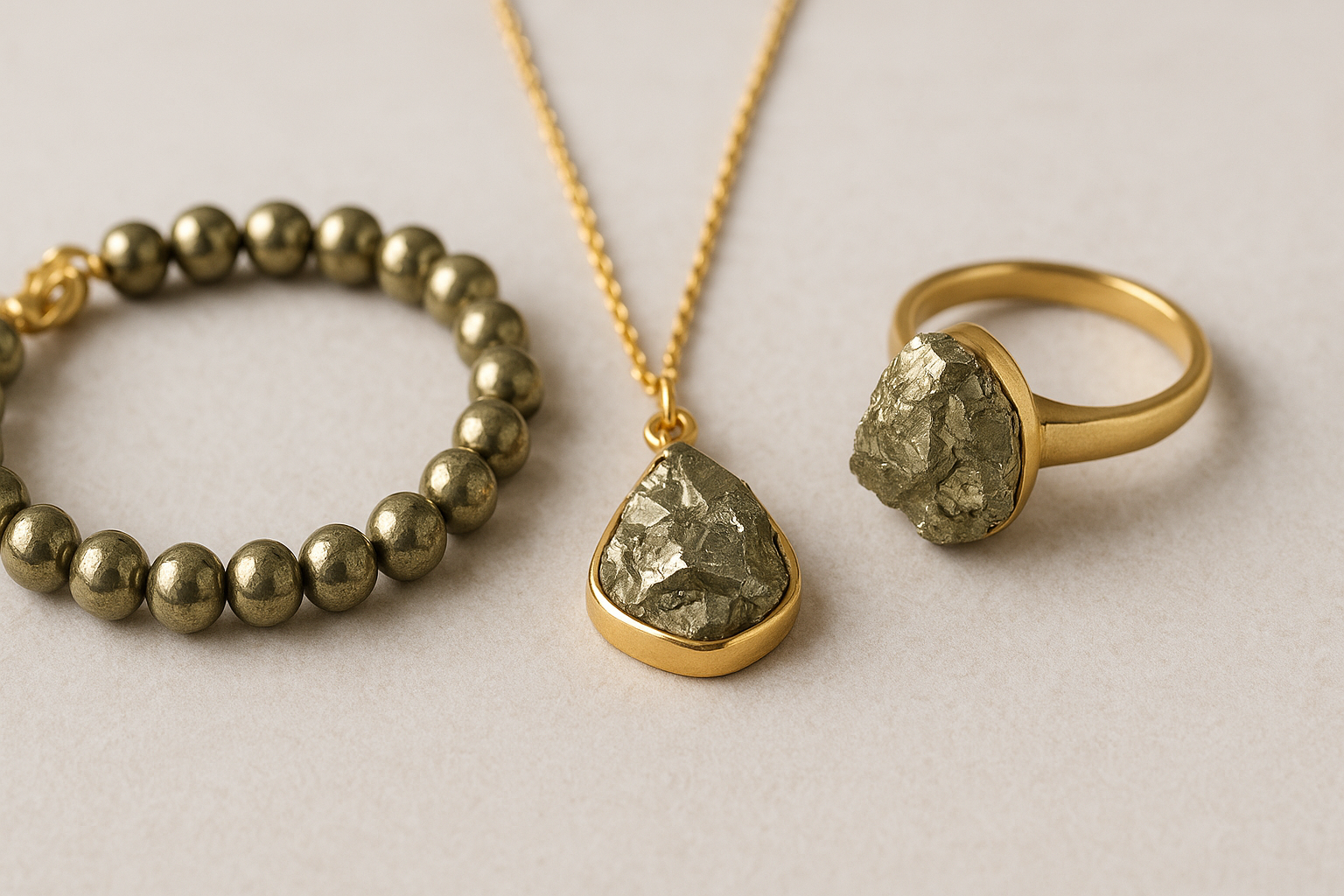
Pyrite jewelry functions as both a personal accessory and a focal point for intentional living, bridging the gap between aesthetic preference and symbolic significance.
Jewelry designers choose pyrite because its Mohs hardness of 6 to 6.5 provides sufficient durability for pieces worn regularly, while its weight creates a substantial presence on the wrist or around the neck. Unlike lighter materials, pyrite jewelry reminds you of its presence throughout the day.
Architectural and executive decor
Interior designers position large-format pyrite frames and decorative installations in executive suites, luxury residences, and corporate lobbies where clients expect distinctive materials. The Seven Running Horses Pyrite Frame demonstrates how artisans integrate raw pyrite chunks into symbolic compositions that capture specific cultural narratives while maintaining the mineral’s inherent drama. These pieces require careful selection of specimens with uniform luster and minimal oxidation to ensure longevity in climate-controlled environments typical of UAE architecture.
How people use pyrite for rituals and intention
Beyond answering what is pyrite used for in industrial or decorative contexts, you’ll find the mineral occupying a significant role in personal intention practices and wealth-focused rituals across cultures. Professionals in the UAE incorporate pyrite into daily routines not because of unverified claims, but because the physical act of engaging with a tangible object creates psychological anchors for ambition and focus. You hold a piece with inherent weight and presence, making it practical for grounding practices that support decision-making in high-pressure environments. These uses center on intentionality rather than passive expectation.
Wealth attraction and abundance practices
Traditional practitioners position raw pyrite clusters in office spaces or personal areas specifically designated for financial planning and strategic work. You might place a specimen on your desk where you review quarterly reports or negotiate contracts, using the mineral’s visual presence to maintain focus on revenue targets and growth objectives. Some entrepreneurs carry polished pyrite stones during investor meetings or client presentations, not as superstition, but as a physical reminder of their financial intentions. The practice draws from historical associations between pyrite’s golden appearance and prosperity symbolism, creating a ritual framework that aligns with professional ambition.
Pyrite’s role in wealth rituals functions as an intentional tool for maintaining focus on financial goals rather than a passive charm.
Daily grounding and focus rituals
You can incorporate pyrite bracelets or pocket stones into morning routines where you set daily priorities before entering high-stakes meetings or decision points. Executives who maintain these practices report that the tactile weight of pyrite serves as a concrete anchor during moments requiring clarity, similar to how athletes use pre-performance routines. The mineral’s durability supports repeated handling without degradation, making it suitable for professionals who need consistent, reliable tools for maintaining mental discipline throughout demanding workdays.
Final takeaways
Understanding what is pyrite used for reveals a mineral that serves industrial manufacturing, scientific research, personal accessories, and intentional practices with equal relevance. You’ve seen how pyrite powers sulfuric acid production, preserves ancient fossils, creates statement jewelry, and functions as a tangible tool for wealth-focused professionals. The applications span practical utility and symbolic significance, making this iron sulfide mineral valuable across multiple contexts that few other natural materials can match.
Your choice of pyrite pieces should reflect both your aesthetic preferences and intended use. Whether you need architectural decor for an executive suite or handcrafted jewelry for daily wear, authenticity matters more than surface appeal. Natural Pyrite UAE sources only high-luster specimens that showcase the mineral’s true character, avoiding synthetic treatments and golden coatings that compromise structural integrity.
Explore our collection of authentic pyrite pieces crafted specifically for professionals across the Emirates. Each item combines geological authenticity with artisanal precision, delivering the visual impact and symbolic presence you expect from premium materials designed for luxury environments.