Pyrite commands attention. With its metallic luster and bold geometric formations, this iron sulfide mineral has earned nicknames like "Fool’s Gold" for centuries. But understanding pyrite properties goes far beyond its golden shimmer, it requires examining the mineral’s physical structure, chemical makeup, and symbolic significance that have made it a favorite among collectors, designers, and those drawn to intentional living.
At Natural Pyrite UAE, we work exclusively with authentic, natural pyrite, the genuine dark gray variety prized for its raw beauty and durability. Whether you’re evaluating a statement piece for your executive office or selecting a Money Magnet Bracelet for daily wear, knowing what defines quality pyrite helps you make informed decisions.
This guide covers everything from hardness ratings and crystal structure to metaphysical meanings and proper care techniques. By the end, you’ll understand exactly what makes pyrite distinct, and why it belongs in spaces built for ambition.
Why pyrite properties matter
Understanding pyrite properties determines whether you purchase a genuine mineral specimen or a synthetic imitation coated in gold paint. The UAE luxury market attracts both authentic collectors and opportunistic sellers, so knowing how to evaluate hardness, structure, and composition protects your investment. When you select a statement piece for your Dubai office or a bracelet for daily wear, these properties dictate how the item performs over time and whether it maintains its visual impact under the Emirates’ intense sunlight and humidity.
Properties define durability and placement
Your environment demands specific material characteristics. Pyrite’s Mohs hardness of 6 to 6.5 makes it suitable for decorative applications but vulnerable to scratching from harder materials like quartz or steel. If you plan to display a Seven Running Horses frame in a high-traffic executive suite, you need to understand that surface abrasion occurs when dust particles (often containing harder minerals) rub against the pyrite during routine cleaning. This knowledge shapes how you position and maintain the piece.
The right properties ensure your pyrite retains its architectural presence for years, not months.
Properties influence aesthetic consistency
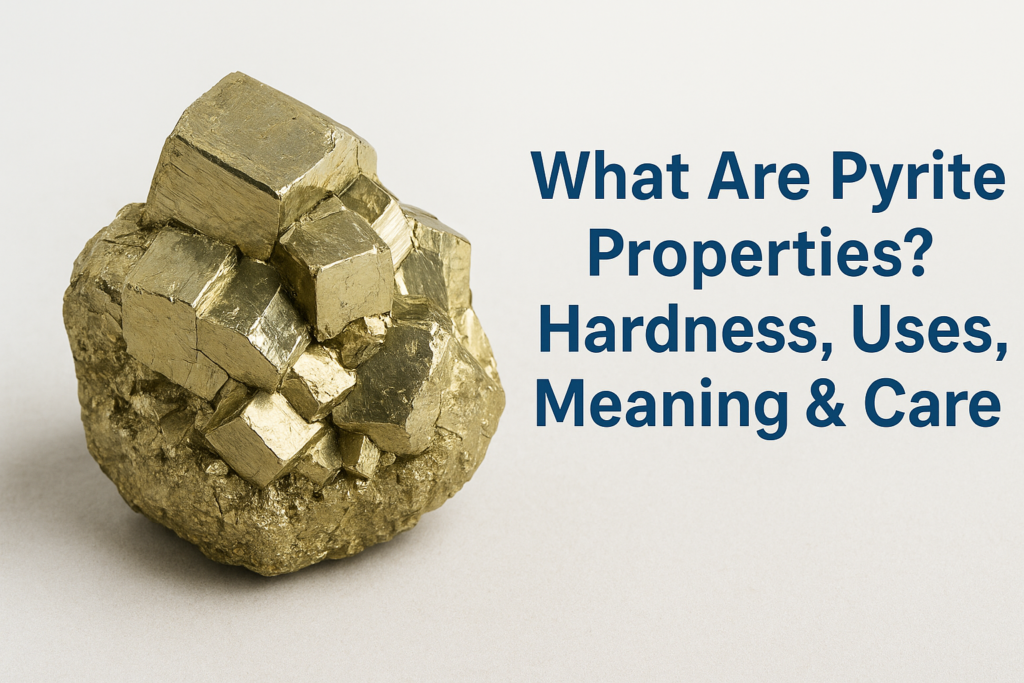
Chemical composition affects appearance more than most buyers realize. Natural pyrite’s iron sulfide structure (FeS₂) produces the characteristic metallic luster and pale brass-yellow color you see in authentic specimens. Variations in crystal habit (cubic, octahedral, or pyritohedral) create different visual textures, from smooth reflective faces to rugged nodular surfaces. When you choose a Money Magnet Bracelet, these structural differences determine whether the beads catch light uniformly or display varied surface patterns. Understanding these variations helps you select pieces that align with your intended design aesthetic rather than settling for whatever appears "shiny enough" in rushed online purchases.
Physical and chemical properties of pyrite
Your ability to evaluate authentic pyrite depends on recognizing its fundamental characteristics. These pyrite properties separate genuine specimens from painted substitutes and help you understand how the mineral behaves in your environment. Each property influences durability, appearance, and maintenance requirements for pieces displayed in UAE climates.
Chemical composition and structure
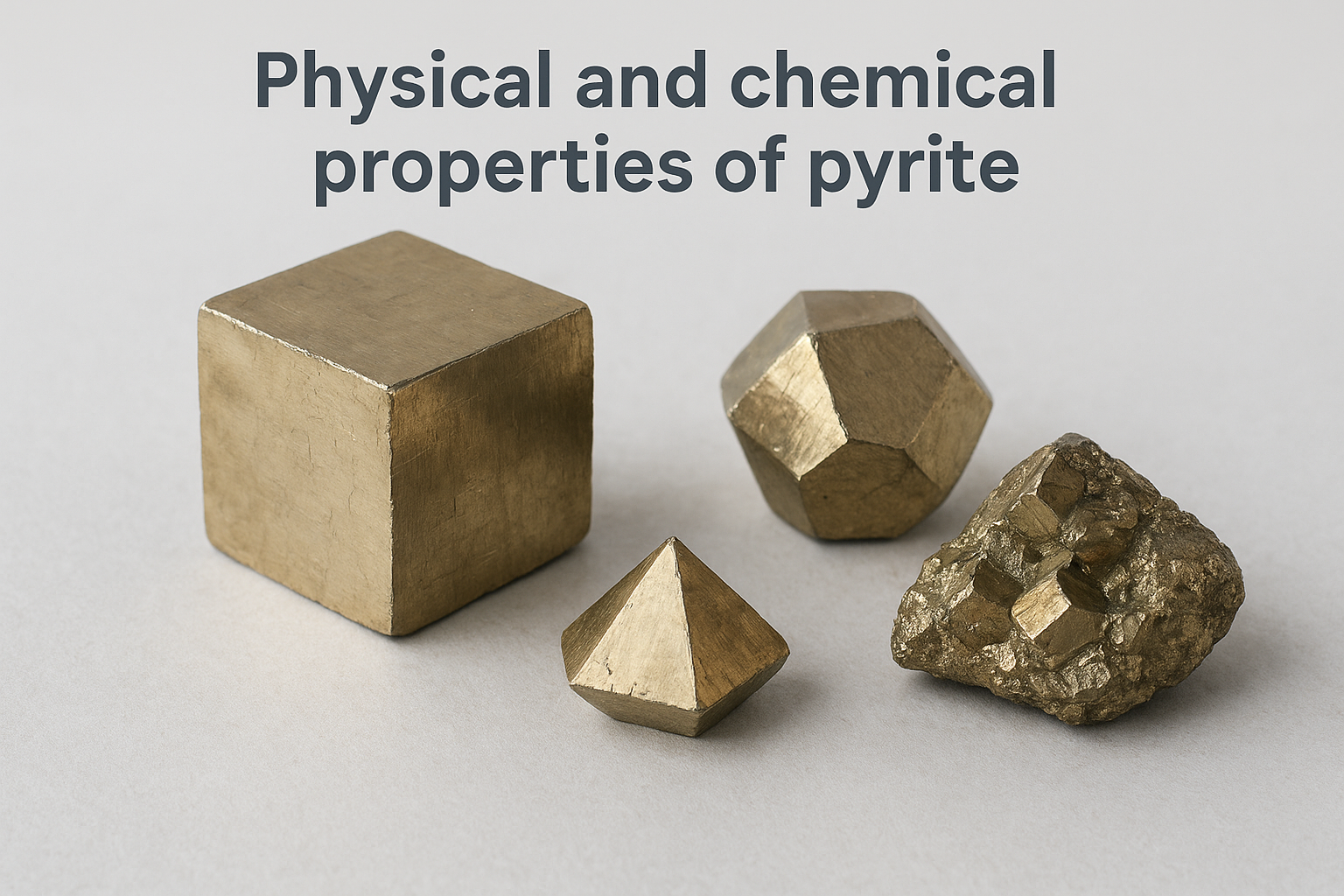
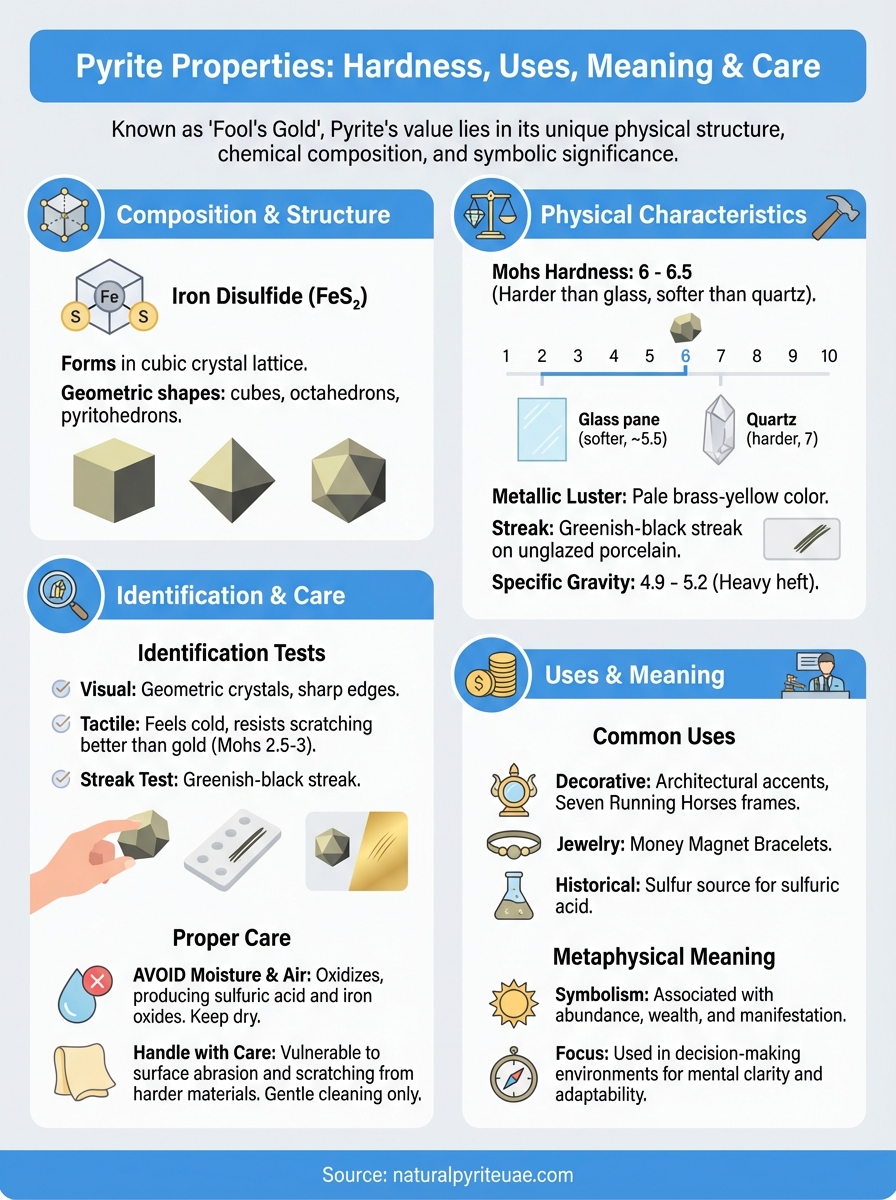
Pyrite consists of iron disulfide (FeS₂), with one iron atom bonded to two sulfur atoms in a cubic crystal lattice. This specific composition produces the mineral’s metallic luster and pale brass-yellow color that distinguishes it from true gold. The cubic structure allows pyrite to form geometric shapes like perfect cubes, octahedrons, or twelve-faced pyritohedrons. You see this geometry reflected in the sharp angles and flat faces of natural specimens, characteristics impossible to replicate in synthetic alternatives.
Physical characteristics
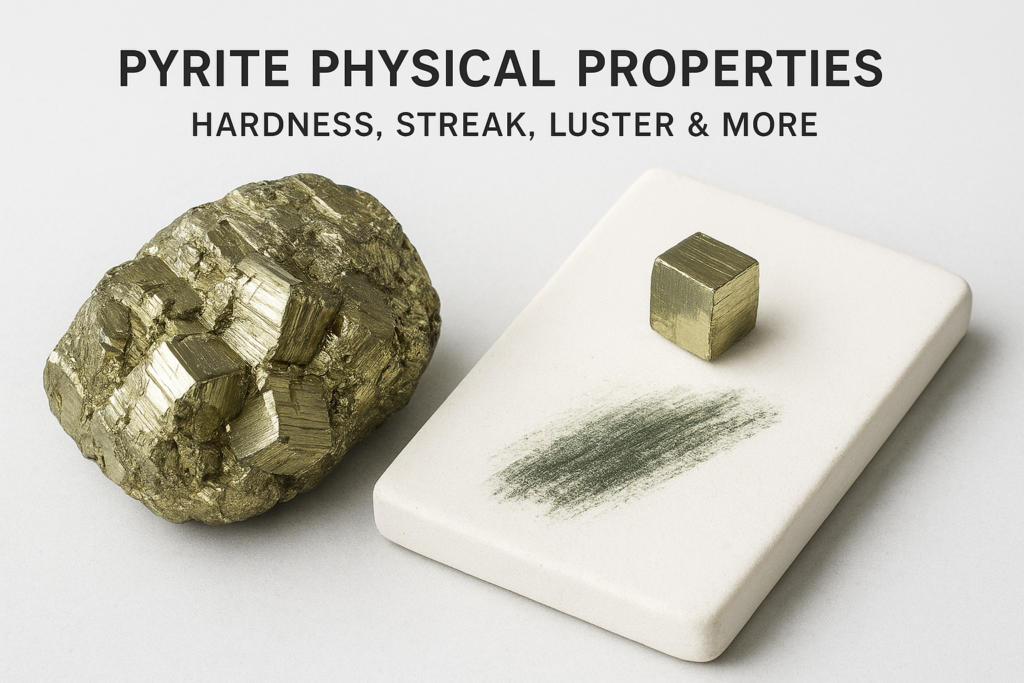
The mineral registers 6 to 6.5 on the Mohs hardness scale, making it harder than window glass but softer than quartz. This hardness affects how you clean and display pieces in your Dubai office. Pyrite’s specific gravity ranges from 4.9 to 5.2, giving it a noticeable heft compared to similarly sized minerals. The mineral exhibits a brittle tenacity, meaning it fractures rather than bends under pressure. Its opaque nature and greenish-black streak (the color it leaves when scraped on unglazed porcelain) provide reliable identification markers.
These measurable properties make pyrite one of the most consistently identifiable minerals in professional collections.
How to identify pyrite and avoid lookalikes
Distinguishing genuine pyrite from imitations requires testing specific pyrite properties against what you observe in hand. The UAE luxury market attracts sellers who coat cheaper minerals with metallic paint or substitute similar sulfide minerals, expecting buyers to accept surface appearance as proof of authenticity. You protect your investment by applying simple field tests that reveal whether you hold natural iron sulfide or a convincing fake.
Visual and tactile tests
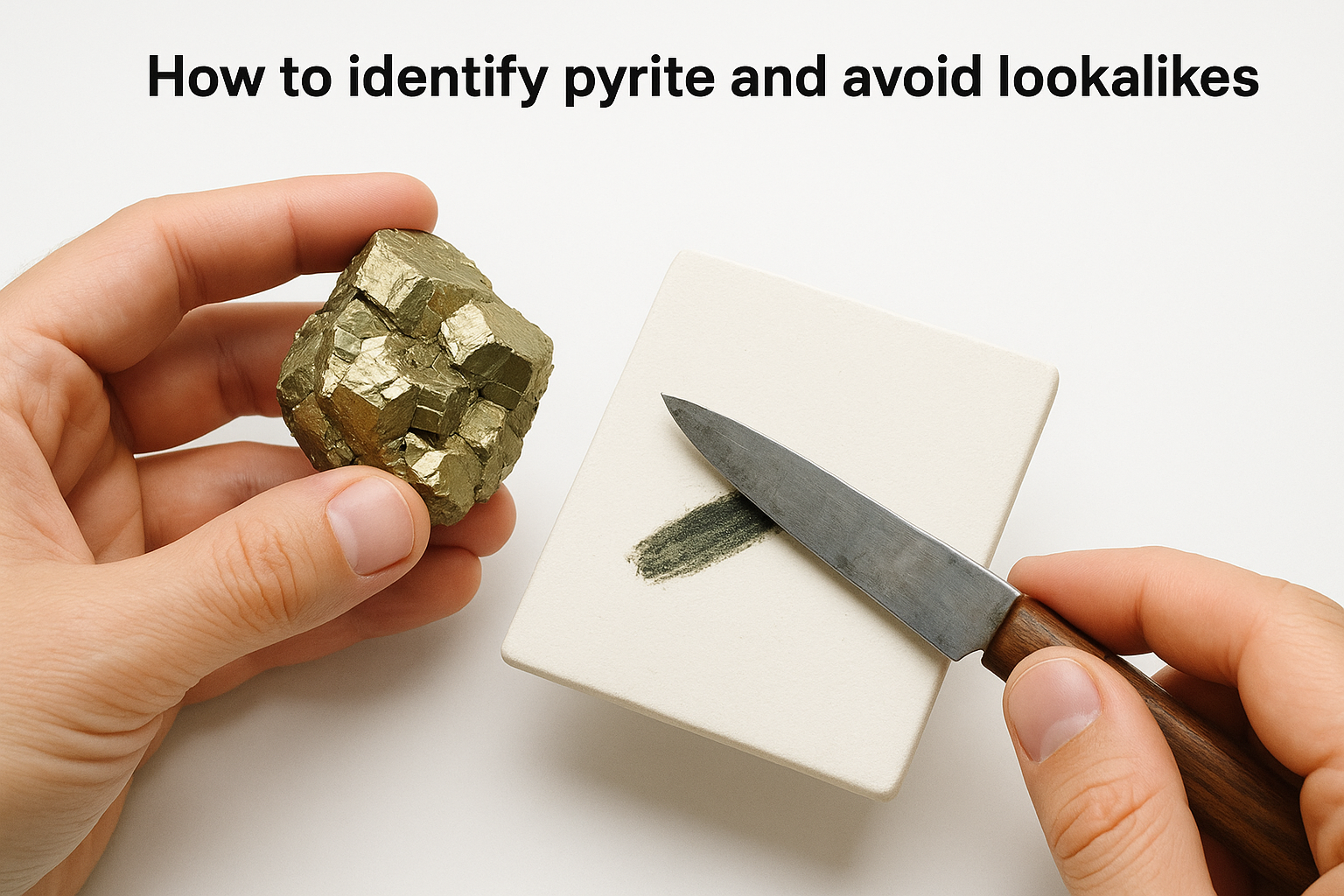
Your first test examines color intensity and crystal form. Authentic pyrite displays a pale brass-yellow that appears almost silver under certain light angles, never the rich buttery yellow of actual gold. The mineral forms geometric crystals with sharp edges and flat faces, characteristics you can feel by running your finger along the surface. Real pyrite feels cold to touch initially and produces a greenish-black streak when scraped on unglazed porcelain, while gold leaves a yellow streak, one of the simplest ways to learn how to tell pyrite from gold. Apply gentle pressure with a steel knife blade; pyrite resists scratching better than softer minerals but shows marks that gold (Mohs hardness 2.5 to 3) would not display.
These tactile properties provide immediate feedback without requiring laboratory equipment or specialized training.
Common substitutes to recognize
Marcasite shares pyrite’s chemical composition but crystallizes in a different system, producing white to pale yellow specimens with more brittle structures. Chalcopyrite appears more golden than pyrite and registers softer at Mohs 3.5 to 4, making it easily scratched by a steel blade. Painted specimens reveal their true nature through chips or wear patterns that expose different base colors beneath the metallic coating.
Common uses of pyrite and practical risks
The specific pyrite properties you’ve examined determine where and how you can safely use this mineral. Understanding these applications and limitations prevents costly mistakes, particularly in the UAE climate where heat and humidity accelerate chemical reactions that compromise certain uses. Your awareness of these practical factors shapes whether pyrite serves as a lasting addition to your space or becomes a maintenance problem.
Industrial and decorative applications
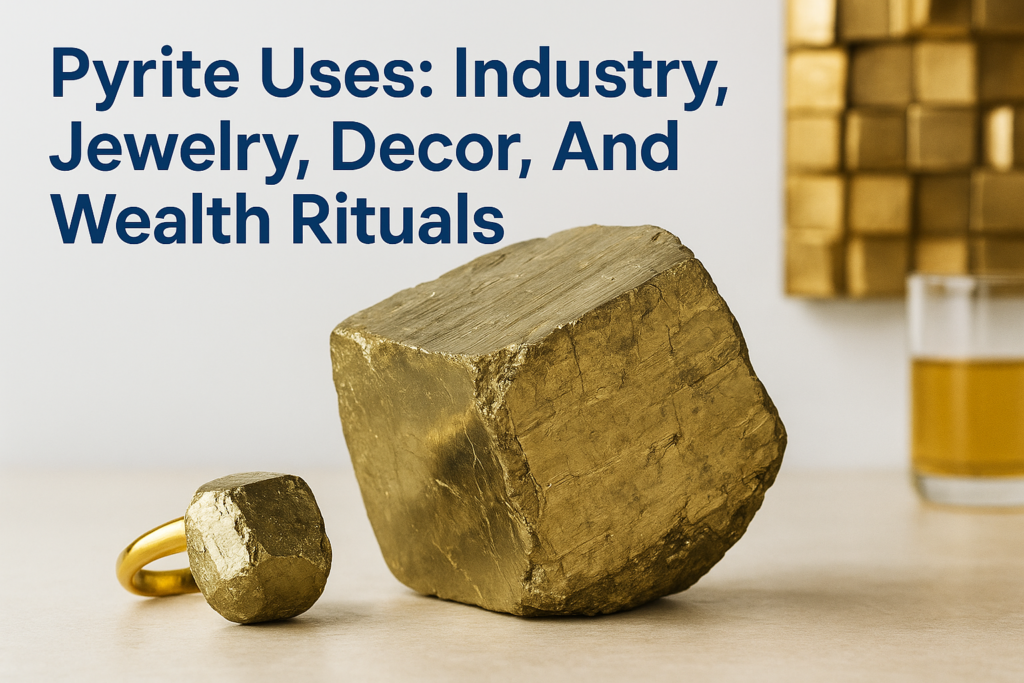
Historically, pyrite served as a sulfur source for sulfuric acid production before more efficient methods emerged. Modern industry uses the mineral in specialized applications requiring its electrical conductivity and semiconductor properties. Your primary interest likely centers on decorative use, where pyrite functions as architectural accent pieces, jewelry components, and statement decor like the Seven Running Horses frame designed for executive interiors. The mineral’s geometric crystal forms make it valuable for collections and display, particularly when you select specimens with well-defined cubic or pyritohedral shapes.
Safety considerations
Pyrite oxidizes when exposed to moisture and air, producing sulfuric acid and iron oxides that stain surrounding materials, which is exactly why the question of whether pyrite can go in water matters so much for care. You see this reaction in buildings where pyrite-containing stone creates brown rust streaks on concrete or metal fixtures. Never display pyrite near valuable textiles or porous surfaces that absorb acidic compounds. The mineral also releases sulfur dioxide during heating, making it unsuitable for jewelry pieces you plan to resize or repair with torches.
These chemical behaviors demand proper placement decisions before you commit to displaying pyrite in your space.
Meaning and metaphysical associations of pyrite
Beyond the measurable pyrite properties you’ve examined, practitioners and collectors attribute symbolic meanings to this mineral that extend into personal development and intentional living practices. These associations stem from historical observations and cultural traditions rather than scientific verification, yet they influence why professionals select pyrite for their workspaces and daily routines. Understanding these interpretations helps you evaluate whether pyrite aligns with your personal design philosophy and daily rituals.
Traditional symbolism and wealth associations
Cultures across centuries connected pyrite with abundance and financial prosperity, likely due to its golden appearance and geometric precision. The mineral’s reflective surfaces and mathematical crystal forms suggested order and manifestation to observers who valued symmetry in natural objects. Modern interpretations maintain these themes, positioning pyrite as a focal point for professionals building wealth or launching ventures in competitive markets like Dubai’s financial districts. You see this application in pieces like the Money Magnet Bracelet, designed for executives who incorporate tactile reminders into their daily routines.
These symbolic frameworks provide context for why certain professionals select pyrite over other decorative minerals for their executive spaces.
Practical integration approaches
Display pyrite in decision-making environments where you need mental clarity and focus, such as home offices or conference rooms. Position specimens where morning light creates dynamic reflections that shift throughout your workday, reinforcing the mineral’s association with adaptability and strategic thinking.
Final thoughts
Understanding pyrite properties transforms how you select, display, and maintain this distinctive mineral in your UAE environment. You now recognize the difference between authentic iron sulfide and painted imitations, evaluate hardness ratings against your intended use, and position pieces where they avoid moisture damage that triggers oxidation. These technical details protect your investment while ensuring your pyrite maintains its architectural presence through daily exposure to the Emirates’ demanding climate.
Your knowledge extends beyond physical characteristics to include the symbolic associations that make pyrite meaningful in professional spaces designed for ambition and strategic thinking. Whether you choose a statement piece for your Dubai office or integrate daily-wear accessories into your routine, these properties guide decisions that align with both practical requirements and personal design philosophy.
Explore authentic, handcrafted pyrite pieces at Natural Pyrite UAE, where each selection reflects the genuine dark gray mineral prized for its raw beauty and lasting durability.